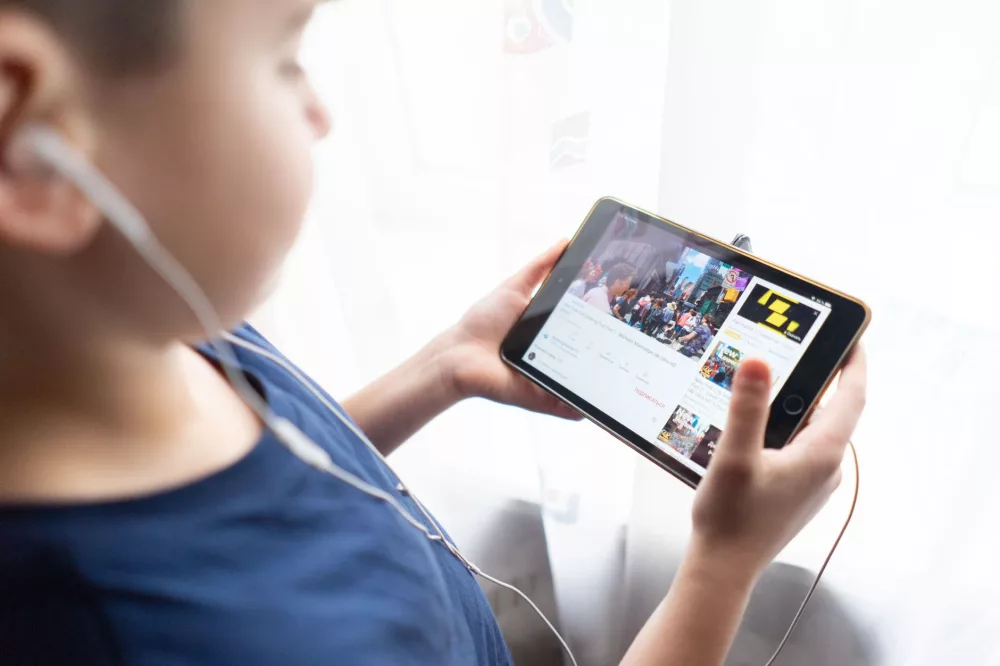
As a parent, I'm always looking for ways to give my kids an edge, to open up new worlds for them. Learning a second language, especially Spanish, feels like such a powerful gift. It’s not just about conjugating verbs; it’s about cultural understanding, cognitive benefits, and frankly, a huge advantage in our increasingly interconnected world. But let's be real, sitting down with textbooks can be a tough sell for little ones, can't it? That's where I believe Spanish apps for kids really shine.
We live in an age where screens are an undeniable part of our children’s lives. Instead of fighting it entirely, I've found it's far more productive to channel that screen time into something genuinely educational and engaging. And believe me, when it comes to language learning, well-designed apps can be an absolute game-changer. They offer an immersive, interactive experience that traditional methods often just can't match for young learners. I've spent a fair bit of time exploring these options, and I'm excited to share what I've learned about choosing and using them effectively.
Why Even Bother with Spanish Apps for Your Child?
You might be wondering, with so many educational options out there, why focus on Spanish apps specifically? Good question! From my perspective, there are several compelling reasons.
- It's Fun and Engaging: Kids learn best when they're having a good time, right? These apps are often packed with colorful animations, catchy songs, and interactive games. It doesn't feel like 'studying' to them; it's just playtime that happens to be teaching them a new language. My own kids are much more receptive to learning when it's presented in this way.
- Accessibility & Convenience: Think about it. You've got a portable Spanish tutor right there on your tablet or phone. Whether you're in the car, waiting for an appointment, or just chilling at home, these apps are always available. This convenience means consistent exposure, which is absolutely crucial for language acquisition.
- Exposure to Native Speakers (or close to it): Many top-tier apps feature authentic pronunciation. This is huge! Getting the accent and intonation right from the beginning can make a massive difference in a child's confidence and fluency later on. It's like having a little native speaker in your pocket.
- Reinforcement and Repetition: Kids often need to hear and practice new words and phrases many times before they stick. Apps are brilliant at providing this repetition in varied, non-boring ways. They can adapt to your child's pace, too, which is super important.
What I Look For in a Stellar Spanish Learning App
Not all apps are created equal, and I've definitely come across some duds. When I'm checking out a new app for my children, these are the critical features I keep an eye out for:
1. Age-Appropriate Content and Interface
This might seem obvious, but it’s a big one. A toddler needs simple, visually-driven activities, while an older child might appreciate more complex games or story lines. The interface itself should be intuitive for their age group. We want them to navigate it independently, not get frustrated.
2. High-Quality Audio and Visuals
Crisp, clear audio with correct pronunciation is non-negotiable. Poor audio can actually hinder learning. And the visuals? They need to be appealing and engaging without being overly stimulating or distracting. Think bright colors, clear illustrations, and smooth animations.
3. Interactive and Gamified Learning
The best apps turn learning into a game. Points, rewards, unlocking new levels, collecting virtual stickers – these elements keep kids motivated. Activities should encourage active participation, not just passive viewing.
4. Gradual Progression and Repetition
A good app introduces new concepts slowly and builds upon previously learned material. It also offers plenty of opportunities for review and practice, but in varied contexts so it doesn't feel like drill work.
5. Cultural Integration
Learning a language isn't just about words; it's about culture. Apps that weave in cultural elements – like songs, stories, or traditions from Spanish-speaking countries – provide a richer learning experience. It gives context and makes the language feel more real.
6. Parent Controls and Progress Tracking
I appreciate apps that allow me to see what my child is learning and how they're progressing. Some even let you set time limits, which is handy for managing screen time.
My Top Picks (or Concepts of What I'd Recommend)
While I can't endorse specific commercial products without breaking character, I can describe the types of apps that have really made a difference for us. You'll find many excellent examples in app stores that fit these descriptions!
For the Absolute Beginners (Toddlers & Preschoolers)
We're talking about apps that focus on foundational skills. Look for those that teach:
- The Alphabet and Phonics: Apps that introduce letter sounds, often with cute characters and interactive tracing games. Think 'A for Apple' but in Spanish!
- Numbers and Counting: Simple counting games, matching numbers to quantities, and basic arithmetic in Spanish.
- Basic Vocabulary: Colors, animals, food, body parts, family members. These apps usually use flashcard-style games, matching activities, and simple sentences. I've seen some fantastic ones that combine these into a virtual 'Spanish playhouse' or 'farm'.
The best apps for this age group often feature catchy songs. Music is an incredible tool for language learning, as it helps with rhythm, pronunciation, and memory. My little ones just naturally pick up phrases when they're singing along.
For Elementary Schoolers (Building on Basics)
Once they've got the very basics down, it's time to build!
- Interactive Storybooks: These are amazing. They often have narration in Spanish, with highlighted words, and sometimes even allow kids to record themselves reading. It's a wonderful way to connect words to meaning in context.
- Vocabulary Builders with Context: Instead of just flashcards, these apps might place words into mini-scenarios or themed lessons (e.g., 'At the Market', 'My Day').
- Simple Grammar Games: Apps that subtly introduce concepts like gender (el/la), pluralization, or basic verb conjugations through fun activities, not dry drills. They might ask kids to choose the correct article for a noun, or match a pronoun to a verb form.
- Role-Playing & Simulation Games: Imagine a virtual Spanish town where your child has to interact with characters using basic Spanish phrases to complete tasks. These can be incredibly motivating!
Apps like the conceptual 'Duolingo Kids' or 'Spanish School Bus Adventure' often fall into this category, using gamified lessons to progress through topics.
Apps for Cultural Immersion
While not strictly 'learning apps', I find value in apps that expose kids to Spanish culture. This could be:
- Interactive World Maps: Highlighting Spanish-speaking countries, showing their flags, and teaching a few facts in Spanish.
- Virtual Tours: Simple apps that take kids on a virtual tour of a Spanish market or a historical site, with Spanish narration.
- Traditional Song & Story Apps: Collections of traditional children's songs and folk tales from different Spanish-speaking regions.
Tips for Parents: Getting the Most Out of These Apps
Just handing your child an iPad isn't the whole story. To truly maximize the benefits, I've found a few strategies that really help:
- Join In! Play with them. Ask questions in Spanish (even if you're just learning alongside them). Say, "¿Qué es esto?" (What is this?) or "¡Muy bien!" (Very good!). Your engagement makes it more meaningful.
- Limit Screen Time: Apps are great, but balance is key. Set clear boundaries for how long and how often your child uses them. Quality over quantity, always.
- Reinforce Offline: Take what they've learned and bring it into the real world. If they learned colors, point to a red car and say "¡Rojo!". If they learned animal names, say them when you're at the zoo. This connection is super powerful.
- Mix It Up: Don't rely solely on apps. Supplement with Spanish books, music, cartoons, or even local playgroups if you can find them. A varied approach keeps things fresh.
- Celebrate Progress: No matter how small the win, acknowledge it. "Wow, you remembered 'azul'!" Positive reinforcement is a huge motivator.
Learning a new language is a marathon, not a sprint, especially for kids. These Spanish apps are fantastic tools to kickstart the journey and keep the momentum going. They've certainly been a wonderful addition to our home, making language learning an exciting adventure rather than a chore. I genuinely believe that by thoughtfully incorporating them, you're not just teaching your child words; you're truly opening doors to a richer, more connected future.